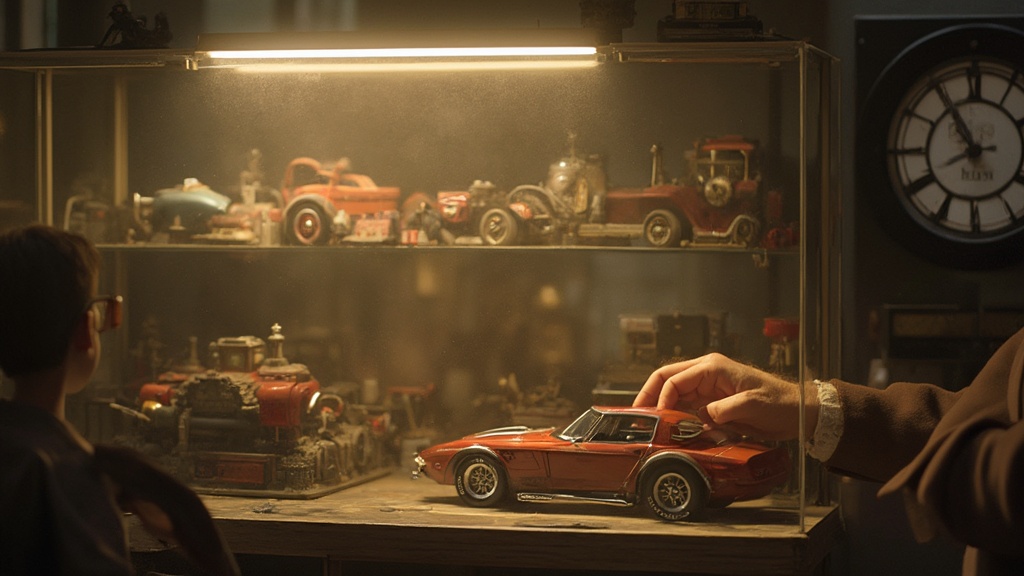
Bio‑Harmony: Sync Your Diecast Collecting to Your Body Clock

Why should I consider my circadian rhythm when collecting diecast models?
Because the same precision that keeps a 1:18 engine block within microns also applies to the way my brain works. Research from the NIH and Harvard Health Publishing shows that aligning tasks with your natural energy peaks improves focus, reduces fatigue, and even sharpens visual acuity. For a hobby that demands meticulous inspection and photography, a few minutes of bio‑harmony can be the difference between spotting a subtle paint defect or missing it entirely.
When are my natural energy peaks for cleaning and maintenance?
Most adults experience a morning surge roughly two hours after waking, followed by a post‑lunch dip and a second, smaller peak in the early evening. Here’s a quick schedule I’ve adopted since I switched to daylight‑saving time:
- 07:00‑09:00 – Light cleaning, dusting, and quick visual inspections. Your eyes are at their sharpest, and the cool morning air reduces static buildup.
- 13:30‑15:00 – Deeper maintenance like lubricating moving parts or checking chassis alignment. The body’s cortisol dip means you’re less likely to rush.
- 18:30‑20:30 – Photographing or video‑recording your display. Evening light often offers warmer color temperatures that complement the CRI‑optimized lighting you already have.
Adjust these windows by an hour if you’re a night owl or an early riser; the principle remains the same – match the task to the brain’s alertness curve.
How can I schedule photography sessions for optimal lighting and focus?
Photography is where bio‑harmony shines brightest. The Sleep Foundation notes that natural daylight peaks between 10 am and 2 pm, but the quality of indoor lighting improves after sunset when artificial lights can be tuned to a warm color temperature. My workflow:
- Prep (09:30‑10:00) – Arrange the display, set up a soft‑box with a 5600 K daylight bulb.
- Shoot (10:00‑11:30) – Capture high‑detail shots while your eyes are still acclimated to daylight; this reduces color‑cast errors.
- Edit (18:00‑19:00) – Use the evening’s cooler ambient light to balance whites without straining your eyes.
Notice how the editing window aligns with a second energy peak, letting you fine‑tune exposure without the mental fog that typically hits after dinner.
What’s the best time to engage with the collector community online?
Online forums and social groups follow a global rhythm, but posting during your own peak ensures you’re articulate and responsive. I’ve found that early evening (19:00‑21:00) yields the highest engagement on platforms like our own forum and niche Discord channels. Your posts will land when most collectors have finished work and are browsing for weekend projects.
How do I adjust my display environment to support bio‑harmony?
Beyond timing, the physical environment can reinforce your rhythm:
- Lighting: Use a programmable LED strip that mimics natural daylight, gradually brightening at 07:00 and dimming after 20:00.
- Temperature: Keep the display case at a stable 68‑72 °F (20‑22 °C). Sudden temperature swings, especially at night, can cause metal fatigue.
- Sound: A low‑level ambient soundtrack (e.g., a subtle rain loop) can cue your brain to enter a focused “maintenance mode” during cleaning windows.
These tweaks are inexpensive but create a feedback loop that trains your body to associate the display area with a specific state of mind.
What simple daily habits keep my collection in peak condition?
Think of your routine as a checklist that runs on autopilot:
- Take a one‑minute glance at the case each morning; note any dust spots.
- During the mid‑day humidity check, use a hygrometer to ensure you stay under 55 % RH.
- End the day with a quick inventory – jot down any pieces you handled, so you can log them later in the inspection protocol.
These micro‑tasks take less than five minutes total but reinforce the habit loop, making larger maintenance sessions feel less daunting.
Takeaway
By syncing cleaning, photography, and community interaction to your body’s natural clock, you gain sharper focus, better lighting, and more meaningful engagement — all without adding extra hours to your week. Start with the three‑window schedule above, tweak the lighting, and watch your collection — and your enjoyment — reach new levels of precision.