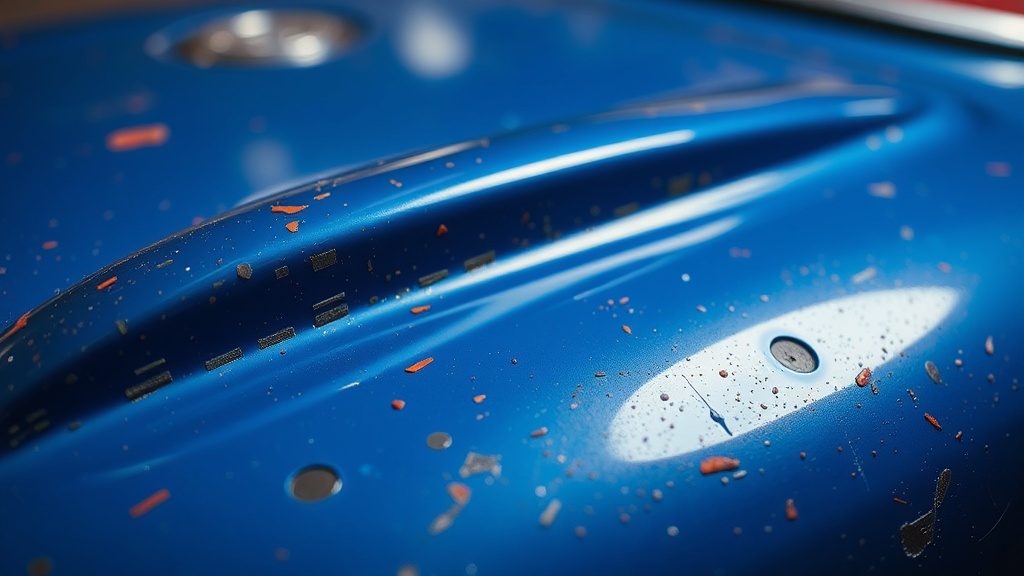
Evaluating Diecast Paint Quality and Surface Defects

Identifying Surface Anomalities in Scale Model Finishes
This post examines the technical aspects of paint application on diecast models, focusing on how to identify common defects like orange peel, blushing, and pigment separation. You'll learn to distinguish between standard manufacturing tolerances and actual defects that impact a model's value. Understanding these surface characteristics is vital for any collector looking to purchase high-grade pieces or assess the condition of an existing inventory.
When I worked on a shop floor, I spent years looking at micron-level imperfections on engine components. The same rigor applies here. A diecast car isn't just a toy; it's a complex assembly of metal, plastic, and coatings. The paint layer—often referred to as the "skin" of the model—is where most visual flaws manifest. Whether it's a high-end resin model or a mass-produced metal casting, the finish tells a story about the quality of the production run.
The first thing to look for is orange peel. This occurs when the paint surface develops a texture resembling the skin of a citrus fruit. It's a result of improper viscosity or incorrect drying times during the spray process. While a light amount of orange peel might be acceptable on a budget-tier model, a high-end collectible should have a glass-like smoothness. If you see this, the paint didn't lay down flat, which often signals a rushed production cycle or poor environmental control at the factory.
Why does diecast paint look cloudy or milky?
This phenomenon, often called blushing or blooming, is a nightmare for collectors. It happens when moisture gets trapped under the clear coat or within the paint layer itself. It creates a milky, white, or hazy appearance that obscures the true color of the car. This isn't just a surface issue; it's a chemical failure. If the paint wasn't fully cured before the model was packaged, the humidity in the air can react with the solvents, leading to permanent cloudiness. You can learn more about the chemical properties of coatings through resources like the ScienceDirect database, which details how various polymers react to environmental stressors.
Another common issue is pigment separation. This occurs when the colorant and the binder don't stay perfectly mixed. You might see streaks of a different shade or a dullness in certain areas of the car's body. This is particularly prevalent in models with metallic or pearlescent finishes. The metal flakes can settle unevenly, creating a blotchy appearance that ruins the visual continuity of the model's lines. It's a failure of the suspension system within the paint itself.
Is paint chipping a sign of poor quality or age?
Chipping is often a result of physical impact or, more frequently, paint adhesion failure. If you notice small flakes of paint missing along the edges of the doors or the hood, it might not be a handling error. It could be that the primer layer was insufficient or that the metal surface was contaminated with oils before painting. A clean, well-prepped surface is the foundation of a good finish. If the bond between the metal and the paint is weak, the slightest pressure will cause the coating to flake off.
To inspect this effectively, use a high-intensity LED light source. Direct, angled light will reveal micro-scratches and tiny bumps that a standard overhead light might hide. I always recommend a jeweler's loupe for serious-minded collectors. Looking at a model under 10x magnification reveals the truth of the manufacturing process. You'll see if the edges are sharp and if the paint wraps smoothly around the radii of the casting.
How to spot paint defects during a purchase?
When buying a model, don't just look at it from a distance. Get close. Check the transition zones—the areas where the paint meets the plastic trim or the windows. This is where many manufacturers struggle. A high-quality model will have a clean, crisp line. A low-quality one might show paint bleed or gaps. Look for fish eyes as well. These are tiny circular depressions caused by surface contamination (like oil or silicone) during the painting process. They look like tiny craters and are a dead giveaway of a subpar production environment.
Check the underside of the model too. While the chassis might not be the primary focus, the paint application on the wheel arches and the lower skirts can reveal a lot about the factory's attention to detail. If the paint is thick and gloppy on the underside, it's highly likely the top surfaces aren't much better. A consistent, thin, and even application across the entire casting is the hallmark of a well-made piece. If you're interested in the material science of surfaces, the NIST website offers incredible data on material properties and surface integrity.
Lastly, keep an eye on luster and gloss levels. A car should have a consistent level of shine across its entire surface. If the hood is shinier than the doors, you're looking at an inconsistent clear coat. This lack of uniformity is a red flag for collectors who value precision. A truly great diecast model should look as though it was finished by hand, with a level of uniformity that respects the engineering of the full-scale vehicle it represents.