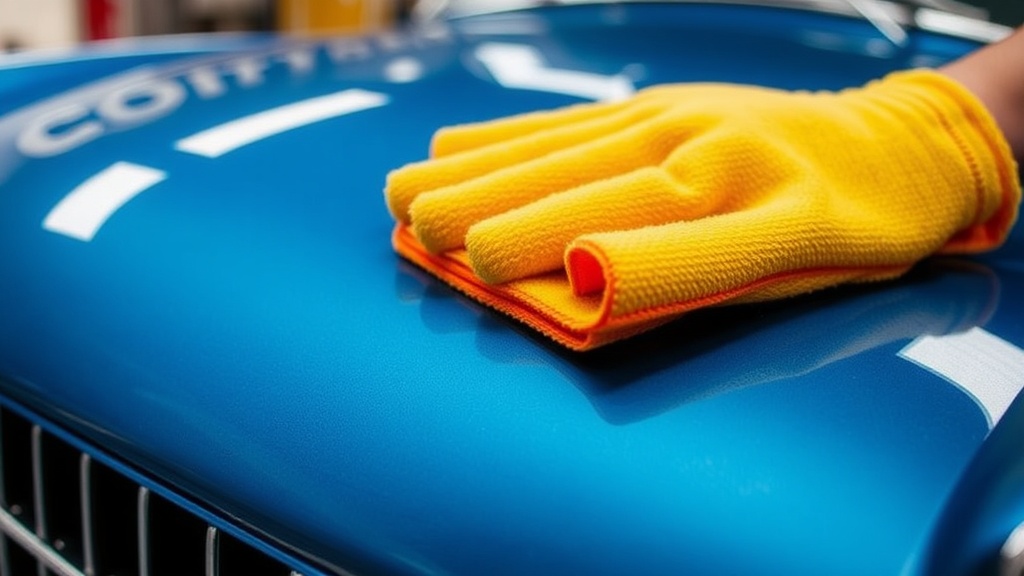
Why You Should Stop Using Standard Microfiber Cloths on Diecast Paint

Quick Tip
Use soft-bristled makeup brushes or compressed air instead of cloths to avoid surface scratches.
Have you ever noticed tiny, swirling scratches on the hood of your most prized 1:18 scale model after a simple dusting?
Standard microfiber cloths, while excellent for automotive detailing on full-sized vehicles, are often too aggressive for the delicate paintwork found on high-end diecast models. This post explains why your current cleaning routine might be causing microscopic abrasions and how to transition to a safer method to preserve your collection's value.
The Problem with Microfiber Loops
Most household microfiber cloths are designed with a "loop" structure meant to grab heavy dust and moisture. On a full-sized car, these loops are harmless. However, diecast models—especially those from brands like AutoArt, Minichamps, or vintage Matchbox—often utilize thin layers of lacquer or acrylic paint. The microscopic grit trapped within the fibers of a standard cloth acts like fine-grit sandpaper. When you apply even slight pressure to wipe away a fingerprint, you are effectively performing a light "buffing" that creates swirl marks, often referred to as spider webbing.
The Superior Alternative: High-GSM and Brushes
To maintain a museum-grade finish, you must change your toolset. I recommend moving away from cloth-based wiping and toward a two-step mechanical removal process:
- Natural Hair Brushes: Use a high-quality, soft-bristled makeup brush or a specialized fine-detail paintbrush. These allow you to flick dust out of intricate areas like the door handles, side mirrors, and wheel wells without applying downward pressure.
- High-GSM Microfiber: If you must use a cloth, ensure it is a high-GSM (Grams per Square Meter) cloth, specifically one designed for optical lenses or high-end eyewear. These have a much tighter, smoother weave that minimizes the risk of scratching.
- Compressed Air: A specialized electric air duster (not a high-pressure industrial compressor) is the safest way to remove loose particulates before they can be ground into the paint by a cloth.
A Professional Cleaning Workflow
Before you touch the model with any tool, follow this sequence to ensure the surface remains pristine:
- Visual Inspection: Identify if the dust is "dry" or "sticky" (oily fingerprints).
- Air Displacement: Use a soft air blower or an electric air duster to remove loose particles from the chassis and interior.
- Precision Brushing: Use a soft-bristle brush to clear out the recessed lines and panel gaps.
- Spot Cleaning: Only use a damp, high-quality lens cloth for specific spots, using a "lift and lift" motion rather than a circular scrubbing motion.
Proper maintenance is a critical part of starting a diecast car collection with a long-term mindset. By treating your models with the precision they require, you ensure they remain in investment-grade condition.